Board passes motions to overhaul agency metrics, regionalism, and statutes; unanimously approves $2.1M for Cheyenne housing project infrastructure.
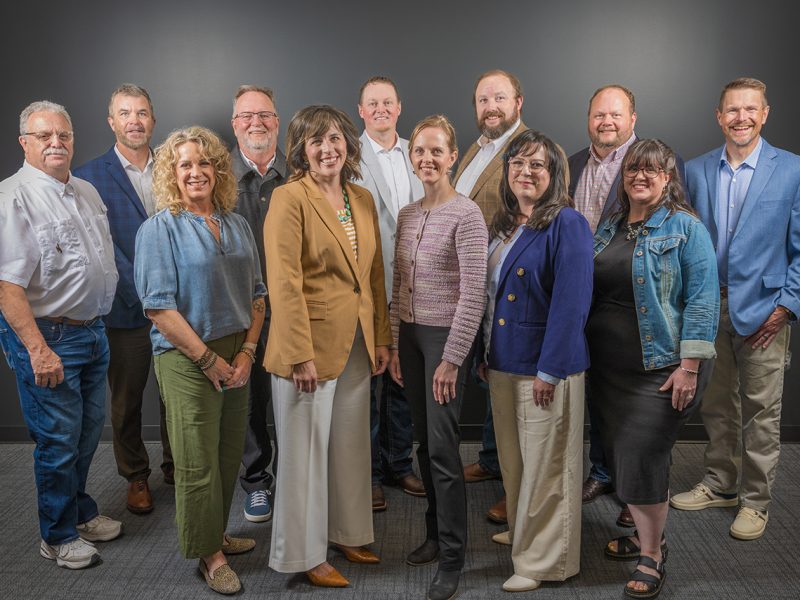
CHEYENNE, Wyo. – Meeting amidst a period of intense legislative scrutiny, the Wyoming Business Council (WBC) Board of Directors sent a clear message during its quarterly meeting on Wednesday, Feb. 25: The agency is leaning into the challenge to build a stronger, more resilient Wyoming.
Strategic Realignment
The Board spent much of the meeting architecting a new strategy for the agency’s future. Board members passed a series of motions aimed at modernizing how the WBC operates and measures success. These actions signify a transition from a reactive project-by-project funding model to a proactive, systems-level approach to economic resilience.
“Challenge brings clarity,” CEO Josh Dorrell noted during his opening report. “We accept the scrutiny and the spotlight. The clarity I have now is that our responsibility to the state is to have a bold vision, to execute on it, and to not stop because of budget challenges. We aren’t going to break apart; we’re going to get stronger.”
1. Shift Toward Regional Economic Planning
Recognizing that many small municipalities lack the individual resources to drive large-scale economic development, the board approved a motion introduced by Ryan Lance to adopt a regional planning approach. The board emphasized that economic opportunities do not stop at city limits or county lines, and Wyoming’s communities are stronger when they act as a unified “Team of Thousands.”
- Collaborative Framework: The board directed WBC staff to collaborate with partners – including the Wyoming County Commissioners Association (WCCA), the Wyoming Association of Municipalities (WAM), the Wyoming Economic Development Association (WEDA), and local business leaders – to build a comprehensive framework for regional planning.
- Targeted Investment: The WBC aims to offer significant planning grants to distinct regions across the state, allowing them to develop tailored economic strategies based on their unique assets.
- BRC Alignment: Going forward, the WBC plans to target a significant portion of the Business Ready Community (BRC) funding toward projects that directly align with these locally developed regional plans. This ensures that every state dollar supports a coordinated vision rather than a fragmented one.
The staff is expected to present this framework by the next board meeting on May 20, 2026.
2. Overhauling Statutes, Metrics, and Governance
To ensure the WBC has the right rulebook and scoreboard to communicate its success to the legislature and the public, the board unanimously passed a motion introduced by Dr. Joe Schaffer directing the CEO to initiate three strategic pillars. These pillars are designed to bring total transparency and accountability to the agency’s work.
- Statutory Review: The WBC will conduct a comprehensive review of relevant state statutes, existing programs, and services. The goal is to provide the Governor and Legislature with data-backed recommendations for necessary changes and modernization to ensure the agency’s code runs at the speed of business.
- Clear Metrics: The agency will identify a focused set of metrics, including both leading indicators (measures of current activity) and lagging indicators (long-term results like youth outmigration and non-resource GDP growth). This scoreboard will clearly inform the board, stakeholders, and the public whether the WBC’s efforts are achieving the intended outcomes.
- Governance Framework: A new framework for organizational governance will be established to codify the board’s expectations. This will include clear policies for long-term strategy, regional planning, and rigorous performance monitoring.
The board emphasized that these actions demonstrate a commitment to agility and transparency. By rolling up their sleeves alongside local partners, the WBC is ensuring it remains a lean, effective, and accountable engine for Wyoming’s economic future.
Addressing Growth Challenges
The Board voted unanimously to approve a $2.175 million BRC grant for the City of Cheyenne. Matched by $725,000 in local funds, this first-of-its-kind investment targets housing infrastructure as a primary binding constraint to economic growth.
The grant enables the city to acquire 8.37 acres for the “First and Union” project, which will initially provide 184 affordable housing units for families earning 60% of the area’s median income. By closing the financial gap on land acquisition, this strategic state investment allows the city and developers to leverage further private and federal capital, potentially expanding the development to 444 total units.
“We are excited to see Cheyenne’s long-term commitment to this major challenge finally reach a turning point, and the Business Council is proud to help bring it across the finish line to unlock much larger opportunities,” Dorrell said. “We applaud Mayor Collins and the City of Cheyenne for their vision; the state’s role is to act as a catalyst, unlocking potential through strategic investment. This is a perfect example of a community choosing itself and focusing on the foundational work required to build a future where everyone can thrive.”
Building Resilience Across the State
While the Cheyenne project addresses a critical local hurdle, the Board’s broader focus remains on scaling this kind of success through every corner of Wyoming. Outgoing Board Co-Chair Mark Law reminded the room of the high stakes involved in maintaining this momentum.
“There’s nobody out there coming to save us,” Law said. “We have to continue to have a bold vision so our kids don’t have to make those difficult decisions about leaving the state to find a career.”
In addition to the landmark housing vote, the meeting featured progress reports from across the WBC’s team:
- Kickstart Wyoming: Continues to support homegrown entrepreneurs, receiving record numbers of applicants each quarter.
- Assessment to Action (A2A): Scaling community coaching to help local leaders identify their own binding constraints.
- Wyoming Main Street: Board Member Bruce Pivic reacted to recent success stories from the program, describing it as an essential tool to “keep local alive.”
“Economic development is not an event; it is a practice. It is also about continuous improvement,” Dorrell concluded. “In two years, we will not look like we do today. That’s just what we do – we change to be more effective for Wyoming every single day.”
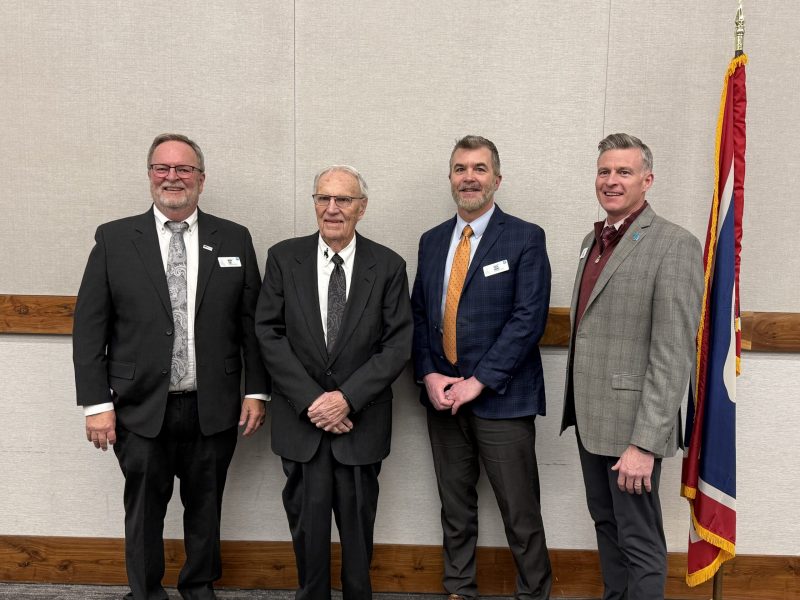
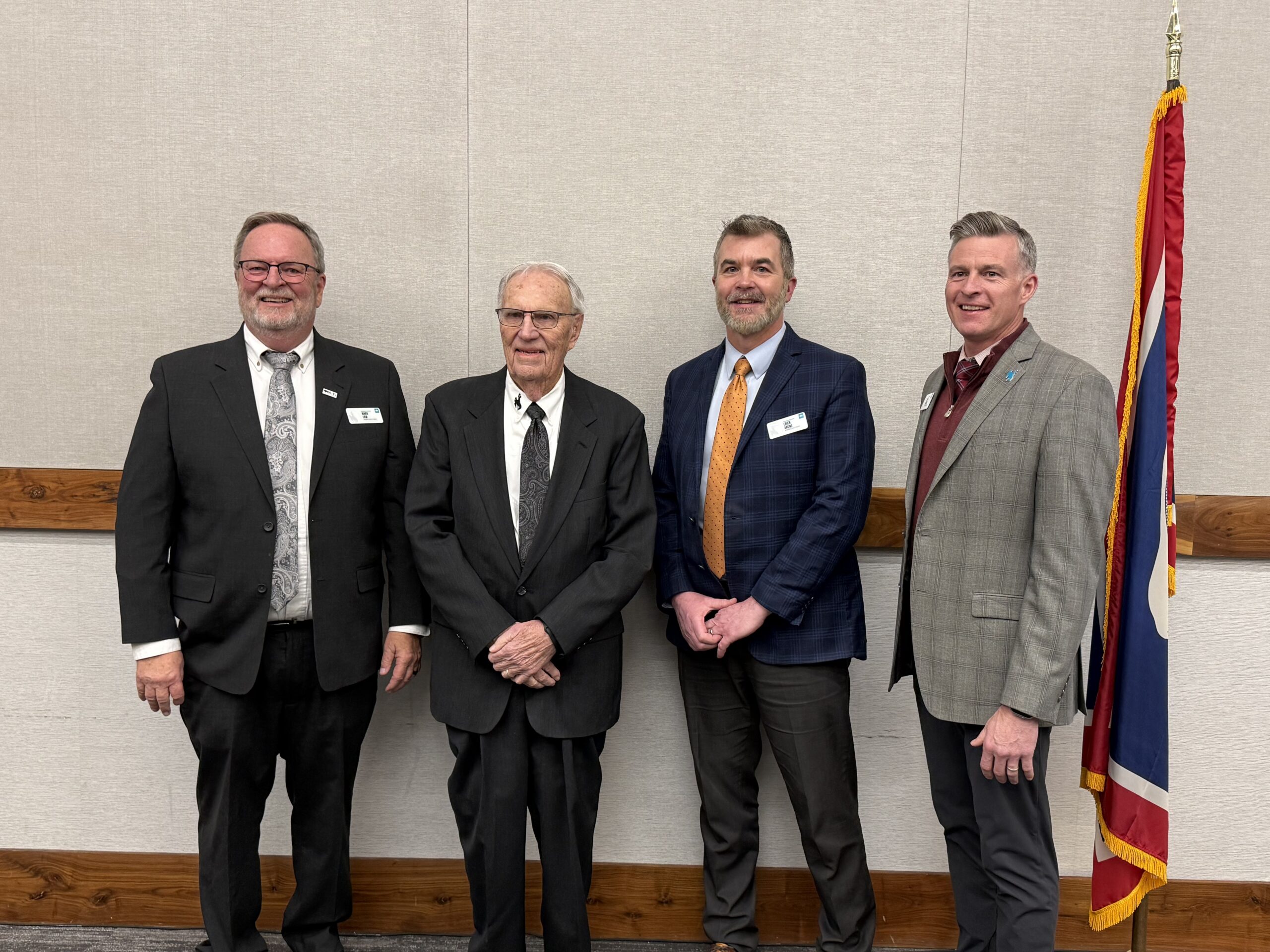
The meeting ended with a recognition of three outgoing board members – Co-chair Mark Law, Erick Arens, and Chuck Brown – thanking them for their years of service and dedication to Wyoming’s communities, businesses, and families.
Watch the full meeting recording on the WBC YouTube Channel.
About the Wyoming Business Council
A resilient economy begins with the strength of its people. The Wyoming Business Council (WBC) operates on the fundamental belief that the state’s future depends on unlocking human potential. By dismantling systemic obstacles and providing essential tools and connections, the WBC empowers residents, small business owners, and community leaders to reach their boldest ambitions. This mission ensures that economic growth is driven by local ingenuity, allowing every Wyomingite to architect a future where they can thrive.
About the Business Ready Community (BRC) Program
The WBC administers the Business Ready Community (BRC) program, which provides strategic financing for publicly owned infrastructure that serves business needs and drives community-led economic development. The WBC team conducts a rigorous vetting process for every application – including deep-dive financial analysis, site visits, and subcommittee reviews – to ensure state investments act as a catalyst for private growth.
By statute, the WBC forwards its funding recommendations to the State Loan and Investment Board (SLIB) for final approval. The SLIB is comprised of Wyoming’s five statewide elected officials: the Governor, Secretary of State, State Auditor, State Treasurer, and State Superintendent of Public Instruction. The SLIB is scheduled to review and make a final decision on the City of Cheyenne BRC project at its next meeting on April 2, 2026.